

Advocacy organisations warn that many immigrant truckers with clean records are being caught in this dragnet.
1.5 Lakh Punjabi Truckers in the US Face Federal Scrutiny as 44% of Driving Schools Fail Standards
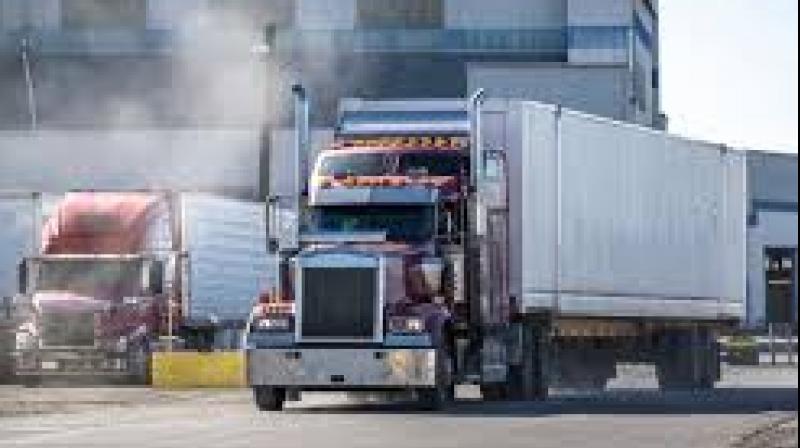
According to the recent review of the US Department of Transportation (USDOT), nearly 44% of the roughly 16,000 truck-driving schools listed nationwide may not meet minimum government standards. As a result, about 3,000 schools may have to face decertification if they fail to comply within 30 days, while a further 4,500 have been given warning about possible action.
If the schools get decertification, these will no longer be eligible to award the training certificates required for a commercial driver’s licence (CDL). That could push many students, especially those enrolled or recently graduated, to leave their training, effectively sidelining their path to legal employment as truck drivers.
This crackdown comes after the high-profile fatal truck crashes in Florida and California that reportedly involved unlicensed or unauthorised drivers, events that triggered greater scrutiny of “quick-cert” or so-called “CDL-mill” schools, which offer accelerated licences with minimal real training.
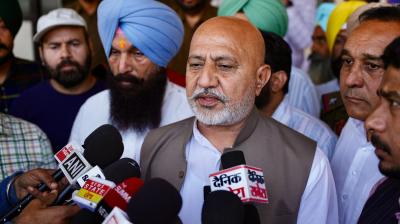
For the Punjabi diaspora in the United States, where activist groups estimate around 1.5 lakh (150,000) Sikh and Punjabi truck drivers work across the country, the implications are severe. The North American Punjabi Truckers Association (NAPTA) estimates the community makes up about 40% of West Coast trucking and about 20% of all U.S. truckers nationwide.
Advocacy organisations warn that many immigrant truckers with clean records are being caught in this dragnet; they are facing audits of their licences and immigration status even if they passed training. The UNITED SIKHS group argues that lawful, licensed drivers are being treated as “suspects”, a move that fuels fear, xenophobia, and harassment rather than addressing real safety concerns.
For thousands of Punjabi families, both in the US and Punjab, trucking was seen as a stable way of livelihood, a way to send money back, and a path to upward mobility. The current upheaval raises serious concerns about fairness, the future of immigrants in transport, and the human cost of sweeping regulatory actions.
Given the magnitude of about 150,000 affected drivers, thousands of schools, and widespread diaspora implications, this story is not merely about licences and rules; it is about community, dignity, identity, and justice.
Source: The Tribune