

While the Indian Rice Exporters Federation (IREF) has not officially halted exports, it has issued an advisory urging caution.
Basmati Industry on Edge: Iran Unrest Disrupts Trade and Payments in Punjab Mandis
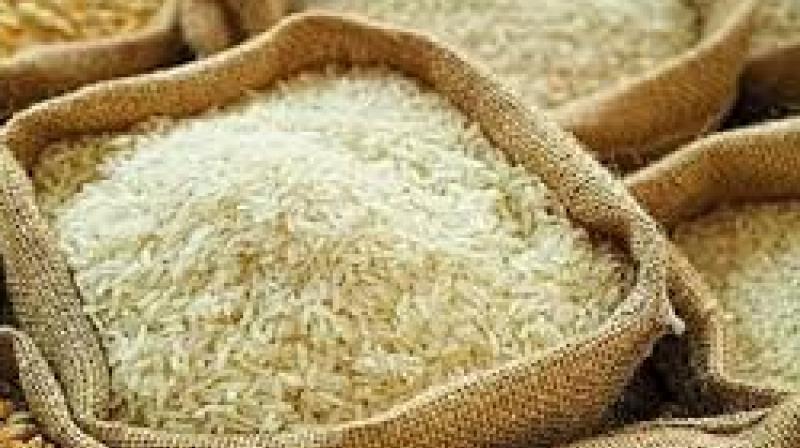
The escalating political and economic instability in Iran has severely disrupted Punjab’s basmati rice export sector. It has left payments worth an estimated INR 1,200 to INR 1,400 crore outstanding for exporters in Punjab and Haryana.
Iran is a crucial market for Indian premium rice. The breakdown in banking operations and internet services has stalled normal trade flows and created a climate of deep uncertainty in domestic mandis.
Sanjiv Chadha of Sifti Rice Mills said that the ground situation in Iran has brought trade to a virtual standstill. "The banking system is off, internet services are disrupted, and unloading at ports has virtually come to a halt," he noted. He added that exporters currently have no choice but to "wait and watch".
This market uncertainty has already led to a direct impact on local farmers and traders, with rice prices in domestic mandis dropping by INR 300 to INR 400 per quintal.
While the Indian Rice Exporters Federation (IREF) has not officially halted exports, it has issued an advisory urging caution.
The federation advised exporters to reassess contract risks, strengthen payment safeguards, and avoid overexposure to the Iranian market.
Industry leaders, including Tejinder Singh, CEO of Amar Singh Chawal Wala (Lal Qilla brand), acknowledged the instability but said that those with established, safe payment structures through alternative channels have been less affected.
However, the overall shortage of US dollars in Iran had already begun weakening import demand even before the latest unrest began.
Source: Times of India