

Officials have linked vehicular emissions to the severe smog and deteriorating air quality the city has experienced in recent weeks.
No Fuel Without PUC: Delhi’s Pollution Rule Stays, Says Minister
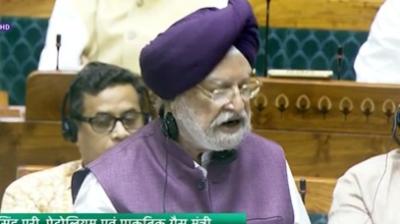
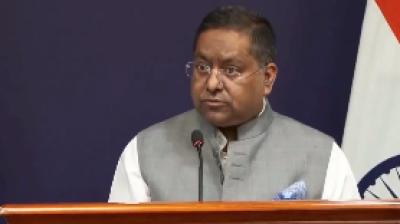
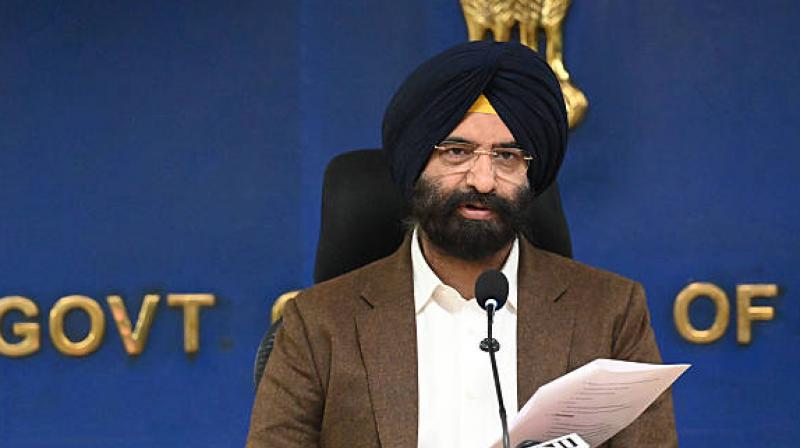
On Tuesday, Environment Minister Manjinder Singh Sirsa said that the Delhi government has confirmed that its strict anti-pollution policy, also known as the “No PUC, No Fuel” rule, will remain in force in the national capital even after the Graded Response Action Plan Stage-IV (GRAP-IV) restrictions are lifted.
Sirsa addressed the reporters and reiterated that this stringent measure will continue as part of ongoing measures to combat persistent air quality issues in the city. Under the rule, vehicles without a valid Pollution Under Control (PUC) certificate are not permitted to operate in Delhi, and those found without it will be refused fuel.
According to sources, the “No PUC, No Fuel” policy was first enforced on December 18 as part of a broader intensification of anti-pollution actions under GRAP-IV, which is typically activated when air quality in Delhi reaches hazardous levels. Officials have linked vehicular emissions to the severe smog and deteriorating air quality the city has experienced in recent weeks.
Sirsa also announced that the Delhi government has earmarked INR 100 crore for the restoration and rejuvenation of urban water bodies,which highlights a wider push to improve environmental conditions beyond vehicular emission controls.
The minister highlighted that during inspections several PUC centres in the city were found to be non-functional or equipped with faulty testing equipment, prompting suspensions and notices to those facilities. This is part of efforts to ensure the credibility and effectiveness of emissions testing infrastructure.
The announcement comes amid continued concerns over Delhi’s air quality, with dense smog reducing visibility and disrupting daily life, including flight delays at the Indira Gandhi International Airport. Air Quality Index readings remained in the severe category, reflecting the urgent challenges facing the capital.
With the government signalling that pollution control measures will persist beyond immediate emergency curbs, enforcement agencies are expected to keep close surveillance on vehicle compliance as part of long-term air quality management.
Source: Hindustan Times