

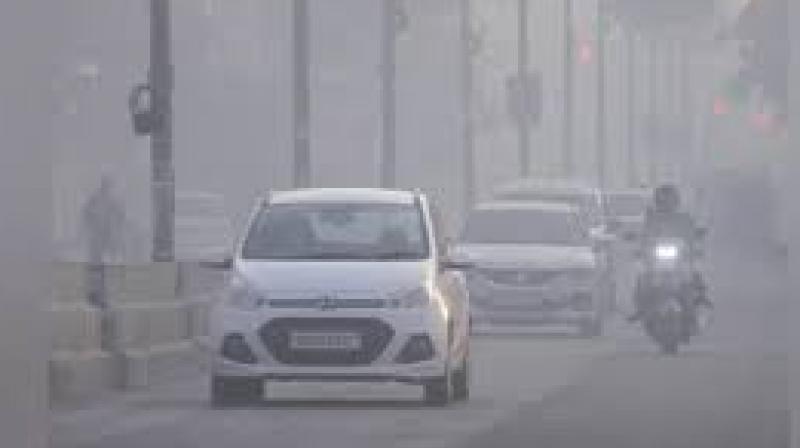
Enforcement teams worked alongside Delhi Traffic Police personnel at key petrol pumps to ensure strict compliance with the new mandate.
Delhi Denies Fuel to 2,800 Vehicles Without PUC Certificates in Major Anti-Pollution Drive
On Friday, the Delhi Transport Department denied fuel to nearly 2,800 vehicles that lacked valid Pollution Under Control (PUC) certificates. The move is the first full day of implementation of the city’s stringent “No PUC, No Fuel” directive. It is focused on curbing vehicular emissions and improving public health amid worsening winter air quality, the Transport Department said.
According to a senior Transport Department official, enforcement teams worked alongside Delhi Traffic Police personnel at key petrol pumps to ensure strict compliance with the new mandate, which came into effect on Thursday. During the 24-hour period between 6 am on Thursday and 6 am on Friday, vehicles found without valid PUC certificates were refused petrol or diesel.
Authorities issued 3,746 challans to motorists for various violations of emission and pollution-related norms, indicating a robust enforcement push from the very start of the campaign.
The Delhi government, while announcing the enforcement measures earlier this week, had highlighted the critical need to tackle vehicular pollution, which is a major contributor to the city’s deteriorating air quality each winter. Environment Minister Manjinder Singh Sirsa had directed agencies, petrol pump operators and police personnel to ensure that only vehicles with valid PUC certificates could be refuelled at stations across the capital.
According to the Transport Department, the start of the “No PUC, No Fuel” initiative triggered a sharp rise in pollution certificate applications. Official data revealed that on December 17, a total of 31,197 PUC certificates were issued across Delhi, a 75.9 per cent increase compared with the 17,732 certificates issued on December 16.
Experts and government officials view the drive as an urgent intervention during the high-pollution season, with air quality consistently recorded in the “very poor” category. They said continuous monitoring and strict enforcement will be required in the coming days to meaningfully reduce emissions and provide immediate relief to public health.
Source: Hindustan Times