

He maintained that the bill does not favour specific corporate interests and is a broad regulatory base for scaling nuclear capacity.
Atomic Energy Bill 2025 Cleared in Lok Sabha Amid Opposition Warnings on Supplier Liability
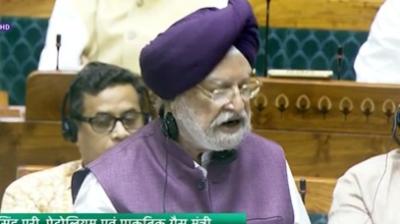
On Wednesday, the Lok Sabha passed the Atomic Energy Bill 2025, officially titled the Sustainable Harnessing and Advancement of Nuclear Energy for Transforming India Bill, 2025. The legislation was adopted during the winter session. According to official statements, Dr Jitendra Singh, Minister of State in the Prime Minister’s Office, piloted the draft and outlined its objectives to the Lower House.
Dr Singh highlighted that India aims to dramatically expand nuclear power capacity from the present 8.8 GW to 100 GW by 2047, raising nuclear energy’s share in the national electricity mix to 10 per cent from around 2 per cent currently.
According to government sources, the Bill seeks major reforms to India’s nuclear governance by amending long-standing statutes – the Atomic Energy Act, 1962, and the Civil Liability for Nuclear Damage Act, 2010 – to encourage private sector participation and facilitate improved foreign direct investment in the nuclear energy sector. The minister said that it is designed to modernise the legal framework and help achieve India’s clean energy and net-zero emissions targets by 2070.
The Bill faced sharp criticism from the Congress Party. Congress MP Manish Tewari spoke during the discussion and strongly objected to the removal of supplier liability provisions that currently hold equipment makers accountable under Section 17 of the existing nuclear liability law. He said that scrapping this clause could shield suppliers from liability in the event of an accident, leaving domestic industries and stakeholders vulnerable. Tewari also questioned the timing of the bill soon after announcements by a major conglomerate about entering the nuclear sector, raising concerns on the floor of the House.
Dr Singh defended the legislation and dismissed these allegations as unfounded. He maintained that the bill does not favour specific corporate interests and is a broad regulatory base for scaling nuclear capacity. BJP MP Shashank Mani supported the government’s stance, saying the graded liability regime under the new framework aligns with international practice, during his intervention in the debate.
The government asserted in the House that the passage of this bill is a critical shift in India’s nuclear policy, opening doors to private and global participation as the country seeks to reinforce energy security and meet future power demands.
Source: The Tribune