

At the same time, sectors linked to crude oil could experience rising costs.
Prolonged West Asia Conflict Could Impact Several Sectors in India: Crisil
India’s heavy dependence on energy imports could expose several domestic industries to risks if tensions in West Asia escalate or continue for a prolonged period, according to an assessment by Crisil Ratings.
India imports about 85 percent of its crude oil requirements and nearly half of its liquefied natural gas needs. A significant portion of these supplies moves through the Strait of Hormuz, a critical global shipping route connecting the Persian Gulf with international markets. Estimates suggest that around 40 to 50 percent of India’s crude oil imports and nearly 50 to 60 percent of LNG shipments pass through this corridor.
West Asian countries account for roughly 30 percent of global crude oil production and nearly 20 percent of the world’s LNG output. Any disruption in transport through the Strait of Hormuz could therefore affect both the availability and pricing of energy supplies worldwide.
Crisil said industries that depend on imported LNG, including ceramics and fertilisers, may face production disruptions in the near term if supplies tighten.
At the same time, sectors linked to crude oil could experience rising costs. These include oil refineries, tyre manufacturers, paint producers, packaging companies, specialty chemical firms and synthetic fabric makers.
The report also pointed out that industries with direct trade exposure to West Asia such as basmati rice exporters, diamond polishing units, airlines and travel operators may be adversely affected if the regional conflict persists.
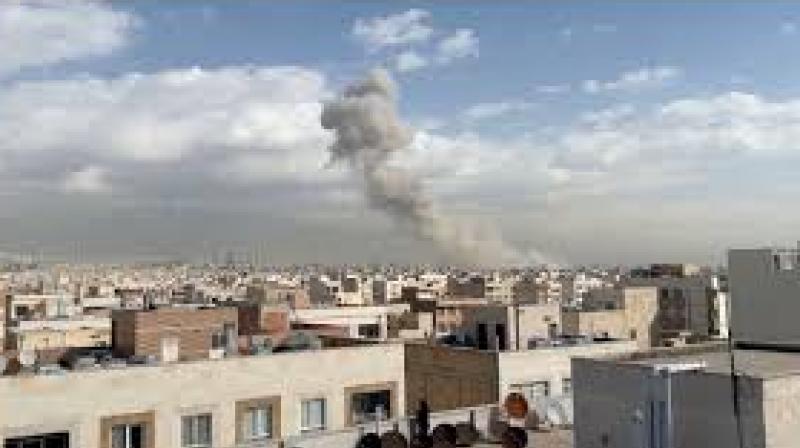
According to Crisil, rising geopolitical risks have already prompted many ships to avoid the Strait of Hormuz since March 1, 2026.