


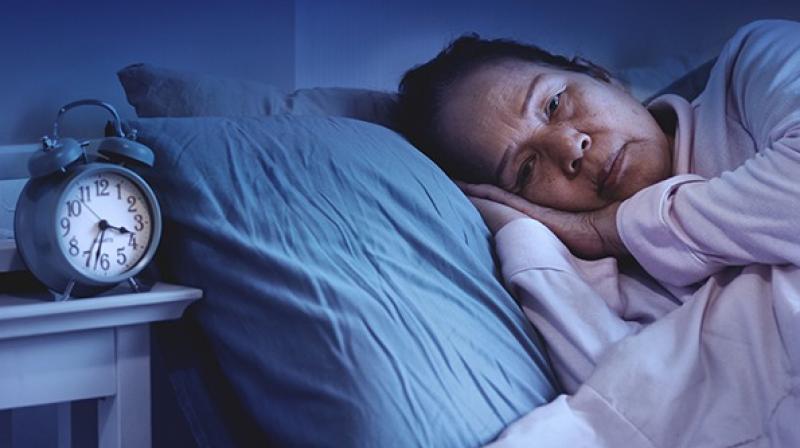
The findings highlight an urgent need for intervention by concerned authorities to address the growing but often overlooked health risks...
Sleep is essential for overall health, including physical, emotional, and cognitive well-being. Experts recommend at least 7–8 hours of uninterrupted sleep for better health and longevity. However, according to a report, an alarming two in three adults in Punjab suffer from ‘poor sleep’ quality.
According to a Times of India report citing the study, poor sleep quality among people in Punjab is significantly influenced by factors such as age, education, and place of residence, with older adults and rural residents emerging as the most vulnerable groups.
The report said that a study published in the European Journal of Cardiovascular Medicine found that 66.5% of participants were classified as having poor sleep quality.
The findings highlight an urgent need for intervention by concerned authorities to address the growing but often overlooked health risks associated with poor sleep.
The study was conducted between March and May 2025 on 400 adults from different walks of life across Punjab, aged 18 years and above, from both urban and rural areas.
Of the participants, 33% were aged between 26 and 35, followed by 28% in the 36–45 age group. Young adults aged 18–25 accounted for 19%, while those aged 46 and above formed 20% of the sample.
Women made up 52% of respondents, while 48% were men.
In terms of education, 34% had completed secondary education, 34.5% were undergraduates, while 4.5% had no formal education.
Occupationally, the participants included 22% homemakers, 19.5% private-sector employees, 18% students, 15.5% self-employed individuals, 15% government employees, and 10% from other occupations.
Most participants lived in rural areas (56.5%), while 43.5% resided in urban areas.
While 67% of participants reported “good subjective sleep quality,” and 76.5% said they did not rely on sleep medication, several objective indicators pointed to significant underlying problems.
“Nearly half of the respondents recorded poor scores for sleep disturbances (47%) and habitual sleep efficiency (44.5%), suggesting frequent interruptions and reduced effectiveness of sleep. Difficulties in falling asleep were reported by 41.5%, while 38% experienced daytime dysfunction, indicating impaired alertness and functioning during the day,” the TOI report read.
Age showed a strong association with sleep quality, with adults aged 46 and above recording the highest prevalence of poor sleep at 81.6%.
Moreover, gender was not found to be a statistically significant factor, the report said, though a higher proportion of women reported poor sleep (70.8%) compared to men (61.7%).
Education showed a clear relationship with sleep quality, with higher education linked to better sleep outcomes.
Occupation, however, did not show a statistically significant association with sleep quality. The report added that students and government employees tended to report relatively better sleep than self-employed individuals and those in the “others” category.
Place of residence emerged as another important factor, with urban residents reporting better sleep quality (38.4%) than rural participants (29.8%).
The data highlight the combined impact of social and environmental factors on sleep health.
The study, titled “An Assessment of Sleep Quality and Its Socio-Demographic Correlates Among the General Population of Punjab: A Cross-Sectional Study,” was conducted by Gurkirat Singh, Harshpreet Singh, Virinder Singh Gill, Rohit Batish, and Manvi Sagar, it added.
(For more news apart from “Adults in Punjab suffer from ‘poor sleep’; occupation not a key factor," stay tuned to Rozana Spokesman.)